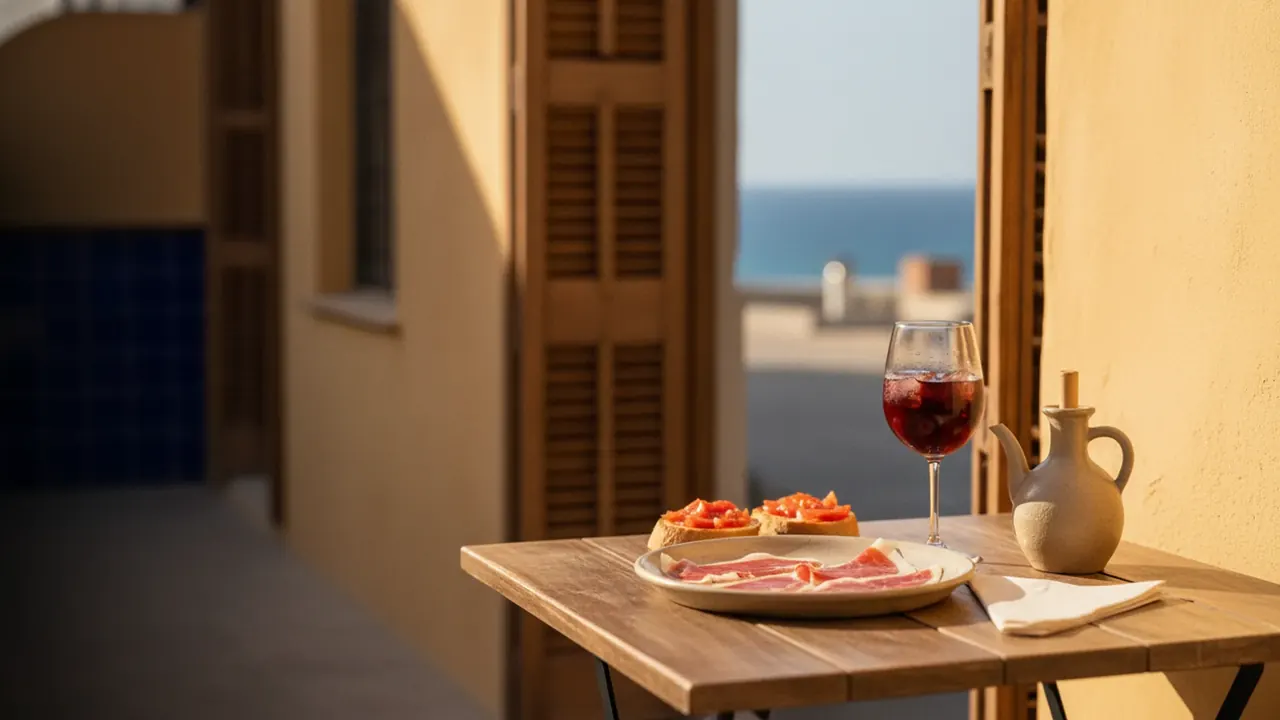
Culture shocks in Valencia: what they don't put on the postcard
Twenty-something cultural quirks that surprise newcomers, what they actually feel like once you live them, and the country-specific things to brace for depending on where you arrive from.
Why this matters
Valencia is welcoming, walkable and warm. None of that prepares you for the rhythm of daily life - the noise, the late dinners, the bureaucracy that runs on appointments, the calendar full of saints. Most expats settle in fine; the ones who struggle usually didn't expect the small, daily-grind differences below.
Things that surprise almost everyone
These come up regardless of where you arrive from. The ones below cluster by theme.
The day starts later, ends much later
Lunch is the biggest meal and runs 14h-16h. Shops close 14h-17h. Dinner is at 21h-22h, family meals can stretch past midnight. Bars and weekend parties fill 01h-04h, not 22h-01h. Plan your meetings, gym sessions and grocery runs around this rhythm or you will permanently feel out of step.
Sobremesa is sacred
After lunch or dinner, you stay at the table. Coffee, conversation, maybe a chupito. Two hours of sobremesa is normal, four on a Sunday with family. Trying to leave early reads as rude. Build the time into your day; it is some of the best social glue Spain offers.
Noise levels are dialled up
Spanish voices carry. Bars on a residential street at 02h are normal. Apartment soundproofing is poor. During Las Fallas (mid-March), pétards and mascletàes blast across the city for nearly a month. The kit you actually need: heavy curtains, earplugs, a fan with a humming motor for sleep.
Saints, fiestas and puentes everywhere
Spain has 14+ national plus regional holidays a year. Whenever a holiday falls on a Tuesday or Thursday, most people take Monday or Friday off too - the puente (bridge). Banks, town halls and gestorias close. Plan paperwork around the calendar or you will lose a week to a saint you have never heard of.
Cita previa for everything
Almost every interaction with administration requires a pre-booked appointment online or by phone. Walk-ins do not exist. Slots for the police station, town hall, social security and tax agency can sit weeks out. Book early, screenshot the confirmation, arrive 10 minutes ahead.
Schooling is its own maze
Three parallel systems: pública (free, Spanish/Valenciano, residence-based catchment), concertada (state-subsidised private, often religious, low fees), and internacional (British, French, American, IB - high fees). Concertada and pública admissions open March-April for September starts. Miss the window and you wait a year or take what is left.
Two kisses, first names, dropped formality
Greetings between adults default to dos besos (right cheek first, then left). Tú is normal even with strangers; usted is reserved for elders or formal letters. Spaniards say no without softening, ask direct questions and find British understatement confusing. Match the directness; it lands as confident, not rude.
Streets feel less polished than you expect
Litter, dog mess, scaffolding, graffiti, peeling paint on shutters - parts of the centre and outer barrios show wear that surprises people from northern Europe or North America. Once you live a month here you stop noticing; the trade-off is a city that feels lived-in, not curated.
The summer dead zone (and weak AC)
From late June to early September, the city empties between 14h and 17h. Walking is brutal. Most homes do not have central air conditioning - portable units or split systems if you are lucky. A 32-34 C indoor afternoon is realistic in July. Plan errands for early morning or after 20h.
Smoking on terraces, less indoors
Indoor smoking is banned, but bar and restaurant terraces are still heavy with smoke - especially evenings. If you have asthma or allergies, pick the indoor table or arrive before the 21h crowd. Smoke-free terraces are slowly rolling out but uneven.
Spain runs on relationships, not transactions
Customer service is direct and personal, not scripted. The same gestoria/notary/electrician can handle you for a decade if the relationship works. Asking for a frequent-buyer discount or a 'buena gente' price is normal. Tipping is light - round up or 5-10%, not US-style 15-20%.
Kids are everywhere, late
Children at restaurants until 23h is normal. Multi-generation gatherings on Sundays are the default. School holidays are long (mid-June to mid-September - 12 weeks). Family-centric culture means more support but also less personal-time privacy than Anglo cultures expect.
What hits hardest depending on where you come from
Same city, different shocks. The list below is built from real conversations with clients in each cluster.
From the UK and Ireland
- The noise. Quiet residential English suburbs do not prepare you for Las Fallas, ground-floor bars or balcony chatter at 01h.
- Customer service directness. Spanish staff will tell you 'no' without three apology layers. Not rude - just efficient.
- Bureaucracy is more like 1995 than the modern UK. NIE, padrón and TIE all need cita previa, original documents, and patience.
- No 'meal deal' culture - lunch is the menú del día (~13-16 EUR with starter, main, drink and coffee). Better value, longer break.
From the United States
- AC is not the default. Bring a portable unit for July-August or pick a flat with split systems.
- Tipping is light. Round up or 5-10%, not 18-22%. Servers are paid a real wage.
- Pharmacies dispense generics by default and you can ask the pharmacist for a recommendation - often before a doctor.
- Driving licence is NOT on Spain's bilateral exchange list. You drive on US licence for 6 months, then take the Spanish theory and practical exam.
From France or Belgium
- Spanish efficiency on small things (banking apps, package delivery, public transport) often beats French equivalents. Then bureaucracy reminds you it is still southern Europe.
- Sunday is sacred for family lunch - more so than France. Most stores closed; restaurants packed.
- Spanish coffee is short and strong (cortado, café solo). The 30-minute café-conversation default is similar but earlier in the day.
From Australia or Canada
- Driving licence: Australia and Canada (most provinces) are on Spain's bilateral exchange list. You can swap your licence at the DGT without taking the Spanish test.
- Distance hits hard. 22-24 hour flights to home, 9-10 hour timezone gap (or 6h during DST overlap). Family video calls happen at strange hours.
- Australian super and Canadian RRSP do not transfer cleanly. Get a cross-border tax adviser before the move, not after.
From the Netherlands
- Dutch directness gets reframed as 'rude' for the first month. Spanish 'ya veremos' / 'mañana' is not flaky, it is calibrated optimism. Both are honest, just differently.
- Avondeten at 18h gets you alone in a deserted restaurant. Lock in 21h dinner, 14-16h almuerzo and a 17h merienda if you want the Spanish rhythm.
- Cycling is real here (200 km of segregated lanes, Valenbisi share scheme), but car culture survives in some barrios. Ground-floor eengezinswoning with a tuintje is a unicorn - embrace 4th-floor balcony.
- Sinterklaas, kraamzorg and the eengezinswoning belong to the past life. Reyes Magos on 6 January is the gift moment, postpartum care is do-it-yourself, and your storage shrinks by 60 percent.
From Germany
- Pünktlichkeit gets stretched. Spanish 'ahora' can be 30 minutes. Trains and the metro do run on time, social events do not.
- Mediterranean noise tolerance is decibels above the German Hausordnung Ruhezeiten. Children scream until 23h, terrazas hum past midnight. If quiet is non-negotiable, look at Godella, Rocafort or El Vedat.
- Anmeldung becomes empadronamiento - same idea, friendlier process, still a queue at the ayuntamiento. Krankenkasse becomes SIP card, with private Sanitas/DKV/Adeslas at 40-80 EUR/month for the speed.
- Lunch at 14-16h, dinner at 21h. Nobody eats Mittagessen at 12 noon. Your stomach takes a fortnight to reset, then everything makes sense.
From Italy
- Less adaptation than any other origin. Mediterranean food, family weight, café culture, regional pride - it all maps. The biggest shock is how little shock there is.
- Coffee ritual changes. Espresso al banco in 90 seconds becomes café con leche sat at a table for 20 minutes. Both work, just different rhythms.
- Real paella valenciana has rabbit, chicken, garrofó and ferradura - no chorizo, no seafood, no peas. 'Paella e solo riso' lands like pineapple-on-pizza in Naples. The seafood version is arroz a banda.
- AIRE registration matters more than you think. Italy still taxes you on residency status, not citizenship - get this right with a fiscalista before your first January in Spain.
How expats actually adapt
Sleep upstairs or at the back. Apartment hunting tip: ground-floor or street-facing rooms multiply the noise. Patio interior or fourth floor solves 80% of the sleep problem.
Build your local relationships early. One trusted gestor, one notary, one electrician. They will save you weeks of paperwork over time.
Adopt the meal rhythm. Eat lunch at 14h, dinner at 21h. Your body resets in two weeks and you stop fighting the city.
Book everything in advance. Cita previa for renewals, school admissions in March, doctor appointments by app. The system rewards planners.
Learn 100 Spanish words before you arrive. 100 words covers 80% of daily transactions. Valenciano comes later if you want it.
Stop comparing. Valencia is not a worse Geneva or a sunnier London. It is a different operating system. Once you stop measuring, the city opens up.
Want a personalised settling-in plan?
Book a free 30-minute call. We will match the shocks above against your origin, family situation and timeline, and hand you a checklist you can actually work through.